







Search Results for: Filter paper fit

How to Make a Pour-Over Coffee Filter Fit the V60 Perfectly? A Practical Method for a 95% Fit Rate
In pour-over coffee, whether the filter paper needs to be pre-wetted has always been a matter of two approaches. Not wetting the filter paper can prevent the coffee grounds from contacting the paper too early and affecting extraction, while wetting the filter paper can wash away the papery off-flavors and dust. But for the V60 dripper with its large guide ribs, how well the filter paper fits is especially critical—Front Street Coffee's experiments show that poor fit noticeably slows the flow rate and brings negative flavors. Based on an analysis of the importance of fit, this article shares a simple and easy method that, using only finger pressure and the force of the water stream, can make the filter paper in a conical dripper fit at a rate as high as 95%. [more…]

Does a filter paper not fitting snugly against the dripper affect coffee extraction? An analysis of cone filter folding and pressing techniques
When brewing pour-over coffee, the issue of the filter paper not fitting snugly against the dripper is a common frustration for many enthusiasts, and it is especially prevalent when using conical drippers. Does this problem really affect extraction? The answer is yes. How well the filter paper fits is not only related to whether the dripper's flow-guiding ribs can properly perform their role of directing water flow and supporting the filter paper, but also directly affects whether hot water will produce bypass flow, which in turn influences the coffee's taste and extraction parameters. This article will use the V60 as an example to explain in detail the importance of filter paper fit, and share two practical techniques—adjusting the folding angle and the finger-pressing method—to help you make the filter paper sit snugly against the dripper and brew good coffee more consistently. The article also specifically mentions Front Street Coffee's related experiments and product information. [more…]

How to properly fold a pour-over coffee filter? Master the key steps for a more perfect fit in the dripper
When brewing pour-over coffee, how well the paper filter fits the dripper directly affects the extraction. Many enthusiasts use a pressing technique yet still find that the filter won't sit flush, and the root cause often lies in the folding step. After customers reported this issue at their stores, Front Street Coffee put together a detailed demonstration of the correct way to fold a cone-shaped paper filter. From folding along the seam and pressing the crease to the technique for securing it once it's in the dripper, every step matters. This article reproduces the entire process, explains how to handle specialty filters such as non-woven ones, and shows how to make the filter sit snugly for iced pour-over without wetting it first—so you can brew a consistent, great-tasting cup at home. [more…]
How to perfectly fit a pour-over coffee filter paper to the dripper? A full analysis of the dripper structure's function and the key points of folding the paper
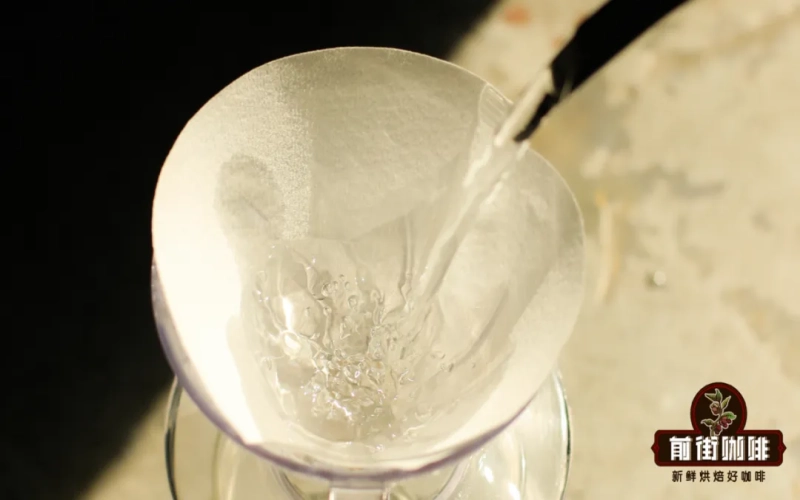
In the extraction process of pour-over coffee, how well the filter paper fits the dripper directly affects the final cup quality. Many enthusiasts find that if the filter paper does not sit tightly against the dripper wall, even the best dripper cannot deliver its intended design advantages. Take the currently popular V60 dripper as an example: its unique spiral rib structure can hardly function when the filter paper fails to fit properly. Therefore, before formal brewing, the step of wetting the filter paper is especially critical—it not only removes the papery taste and dust from the filter paper itself, but is also the core operation for making the filter paper fit tightly against the inner wall of the dripper. Starting from the structural function of the dripper, this article will explain in detail the key points of folding and fitting the filter paper, and share Front Street Coffee's experience in actual operation, to help everyone improve the stability and flavor performance of pour-over extraction. [more…]

Practical Tips on How to Correctly Fold Cone-Shaped Pour-Over Coffee Filters and Fit Them to the Dripper
The paper filter for pour-over coffee may look simple, but it actually hides quite a few details. Many coffee enthusiasts have encountered the situation during brewing where one side of the paper filter lifts up after being rinsed with water and cannot fit snugly against the dripper. Although it will not ruin the entire cup of coffee, it does affect the extraction. This article focuses on the folding and fitting issues of conical paper filters, starting with the selection of the dripper and filter paper, and then gradually breaks down the key steps such as folding, creasing, handling the conical bottom, and securing the filter with water, helping you get this detail right in your daily pour-over brewing. Front Street Coffee will also share, based on its own experience, why the resin version of the V60 dripper has more advantages in terms of standardization. [more…]

A Detailed Guide to Pour-Over Coffee Filter Folding: How to Correctly Fold Cone Filters, Key Paper Selection Tips, and a V60 Dripper Compatibility Guide
In pour-over coffee, how well the filter paper fits the dripper directly affects the extraction, and one detail many people overlook is how the filter paper is folded. Front Street Coffee has previously shared the tip of "pressing down on the filter paper to improve the fit," but some customers have reported that even after using this method, the filter paper still cannot fully fit the dripper. After an on-site investigation, the root of the problem turned out to be that the filter paper had not been folded correctly. This article will demonstrate in detail the correct folding steps for a cone-shaped filter paper, explain the relationship between filter paper folding and dripper fit, and also address common questions such as whether a V60 dripper requires cone-shaped filter paper and how to choose a suitable filter paper in daily use, helping coffee enthusiasts start from this small detail to improve the consistency of their pour-over brewing. [more…]

How Does Filter Paper Fit Affect Coffee Extraction? A Comparative Experiment Between V60 and KONO Reveals Flavor Differences
Wetting the filter paper before brewing coffee is almost a standard step for all pour-over enthusiasts, with the usual goals of making the filter paper fit snugly, removing paper dust, and, if hot water is used, warming the cup along the way. However, most tutorials rarely discuss in depth how much the degree of fit between the filter paper and the dripper actually affects the final taste. Front Street conducted two sets of controlled experiments, using V60 and KONO drippers respectively, paired with filter papers in different states of fit for brewing, and tasted and compared them one by one. The experiment used the floral-fruity Front Street · Gedin Gedin and the nutty-sweet Front Street · Brazil Red Bourbon, and the results showed that a poorly fitting filter paper significantly changes the flow rate, which in turn affects the extraction yield and concentration, producing noticeable differences in mouthfeel. [more…]

Pour-over coffee channeling | How to judge whether the filter paper is aligned with the coffee dripper? Why should the filter paper be moistened with water to adhere tightly when making pour-over coffee?
For most people, wetting the filter paper is the default first step before brewing coffee, with two main purposes: one is to make the filter paper fit snugly, and the other is to rinse off the dust adsorbed on the paper. If hot water is used, it can also preheat the equipment along the way. In the vast majority of tutorials, aside from guiding us on how to make the filter paper adhere closely [more…]
A Complete Guide to Pour-Over Coffee Filters: To Rinse or Not, How to Choose, and How to Fit Them to Your Dripper
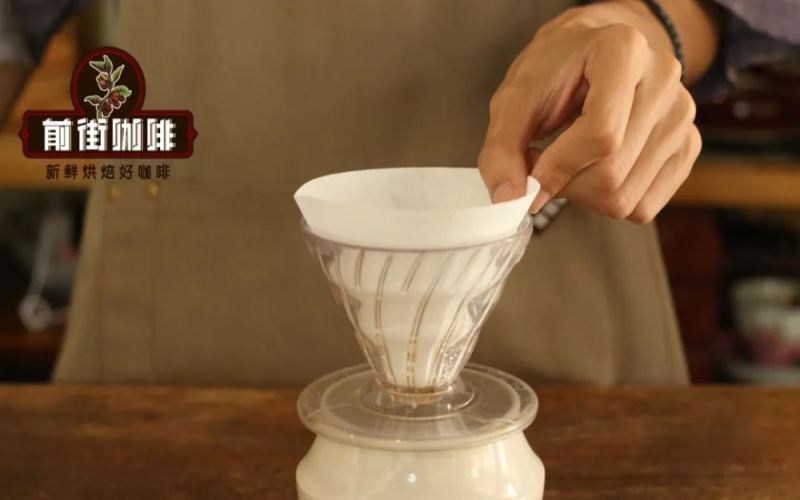
When brewing pour-over coffee, filter paper is an unavoidable element. What role does it actually play? How should you choose between white and natural-colored filter paper? Should you rinse the filter paper before brewing? And how do you fix it when the filter paper doesn't fit the dripper? This article starts with the origins of filter paper, sorts through the pros and cons of bleached and unbleached filters, common size specifications, and differences in manufacturing processes, and combines Front Street's practical experience to offer useful advice—helping coffee lovers make a choice that suits them among flavor purity, environmental friendliness, and ease of operation. [more…]
How to Choose a Pour-Over Dripper? A Comprehensive Review of the Ice Eye Dripper's Filter Paper Fit and Brewing Performance
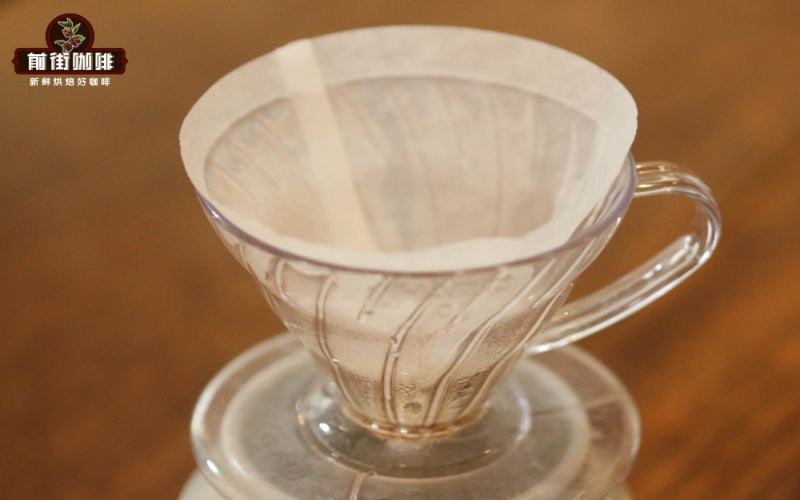
Pour-over coffee enthusiasts often struggle with choosing a dripper, especially when the filter paper doesn't fit snugly against the dripper wall—this not only looks bad but also interferes with extraction. This article, from the perspective of a seasoned V60 user, takes an in-depth look at the unique design of the Ice Eye dripper—it may seem similar to the V60, but it achieves near-perfect filter paper adhesion. The article provides a detailed analysis of the Ice Eye dripper's rib structure, flow channel shape, and drainage speed characteristics, and compares it with drippers like the V60 and Kono to explain its extraction performance at different water levels. Front Street Coffee believes that no dripper is inherently superior or inferior—it's only about whether it suits your brewing habits. If you care about filter paper adhesion and stable extraction results, it's worth learning about this resin version of the Ice Eye dripper. [more…]
Four key preparations before pour-over brewing: filter paper fitting, water temperature control, grinding timing, and coffee grounds recheck
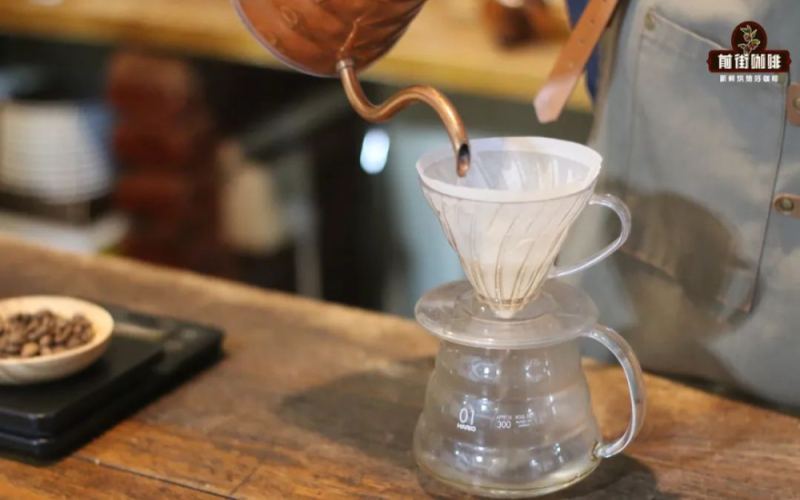
To brew a consistently delicious pour-over coffee, the key is to eliminate as many uncertainties as possible before brewing. Many enthusiasts tend to overlook some details during the preparation stage, which leads to uneven extraction and flavor deviation. Drawing on daily observations and the practical experience of enthusiastic friends, Front Street Coffee has compiled four easily overlooked preparation steps: how well the filter paper fits the dripper directly affects degassing and flow; once the water temperature is confirmed, you should pour as soon as possible to avoid the temperature in the kettle continuously dropping; grinding is best left as the last step to reduce the loss of coffee aromatics; after grinding, you should also double-check the coffee dose, because the grinder may retain or spit out grounds, and a deviation of ±0.5g is enough to change the final flavor. These seemingly minor steps often determine the success or failure of the entire cup. [more…]
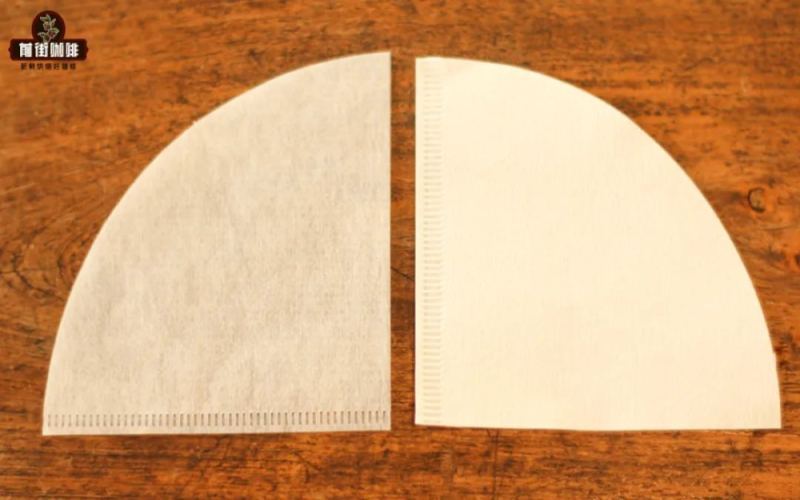
Why Is Non-Woven Filter Paper for Brewing Coffee So Niche? A Full Analysis of Material Properties, Measured Flow Rate, and Flavor Differences
In pour-over coffee, wood pulp filter papers are almost absolutely dominant, but have you ever noticed another material—non-woven fabric filters? They are actually widely found in the filter bags of drip coffee bags, yet are rarely used on their own for pour-over. This fabric is made from composite fibers through a special process, and its gaps are larger than those of wood pulp filter papers, allowing some coffee oils to be retained and giving the brew a fuller body. However, it also has a troublesome characteristic: after contacting water, it somehow stays dry as if coated with wax, and must be repeatedly rinsed with hot water before it will fit snugly against the dripper. Through actual testing, Front Street Coffee found that non-woven fabric filters are almost the same as wood pulp ones in flow rate, but the brewed coffee is more turbid in color and heavier in flavor, even carrying a slight feel of flannel filter cloth. If you are curious about how this niche filter paper performs, this article will take you through it. [more…]

Should You Wet Your Pour-Over Coffee Filter First? A Comprehensive Analysis from Odor Removal and Preheating to Fit
In the daily practice of pour-over coffee, some people habitually rinse the paper filter with hot water before brewing, while others place a dry filter directly into the dripper and start pouring. Both approaches have their own rationale, and neither is absolutely right or wrong. When the baristas at Front Street Coffee were making both iced pour-over and hot pour-over at the same time, a customer once asked them about this very question. What practical effects does rinsing the paper filter actually bring? And what impact does skipping this step have on extraction? This article will examine three angles—removing papery taste, preheating the equipment, and helping the filter adhere to the dripper—while also analyzing the problems that wetting the filter may cause, such as obstructing the bloom and degassing, prematurely extracting the coffee grounds, and the filter absorbing water, to help you make a more suitable choice in different brewing scenarios. [more…]
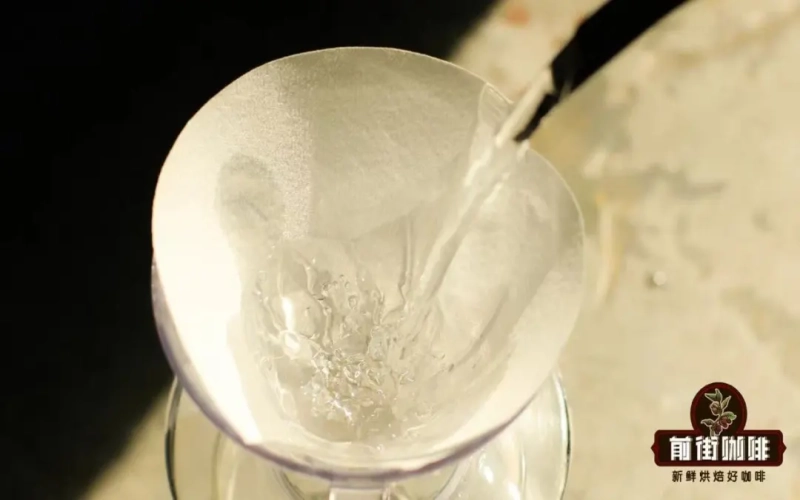
The Correct Way to Use Coffee Filters and Folding Tips: How Do You Fold Fan-Shaped Filters? How Do You Fix Non-Woven Filters That Don't Fit the Dripper?
In pour-over coffee, the filter paper may seem inconspicuous, yet it directly affects extraction results and flavor performance. This article centers on the usage methods and common issues of filter paper, covering the folding techniques for cone-shaped filters, solutions for non-woven filter paper not fitting the dripper, and details to note in daily use. Whether you prefer unbleached, bleached, or non-woven materials, you can find practical advice here. The article also incorporates Front Street Coffee's brewing experience to help enthusiasts select, fold, and use filter paper more efficiently, making every cup of pour-over more stable and cleaner. [more…]
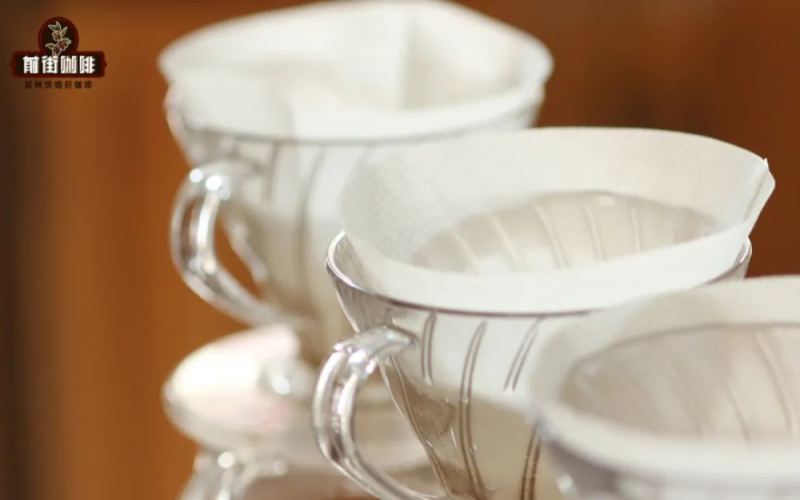
How does a poor fit between the filter paper and the dripper affect the flavor of pour-over coffee? Testing four scenarios and analyzing the causes
When brewing pour-over coffee, many people habitually rinse the paper filter with water first, aiming to make the filter cling tightly to the dripper. But does whether the filter clings or not really sway the taste of a cup of coffee? Front Street used a V60 and Yirgacheffe Red Cherry to run a set of comparison experiments, dividing filter states into four types: fully clinging, folded edge sticking up, placed crookedly, and not clinging at all, and recorded extraction time and flavor differences for each. The results showed that although the degree of clinging does not change the overall direction, it does leave traces on sweetness, acidity, mouthfeel, and astringency. Below, we break down the reasons one by one in the context of the brewing process. [more…]

Pour-Over Coffee Beginner's Guide | How Should Coffee Newbies Choose Coffee Filters? How Do You Use Coffee Filters? What Types of Coffee Filters Are There?
For professional coffee knowledge exchange and more coffee bean information, please follow FrontStreet Coffee. How to choose coffee filter paper? How to use coffee filter paper? What types of coffee filter paper are there? Many enthusiasts buy their own coffee beans, use a grinder, and purchase equipment to brew coffee, all [more…]
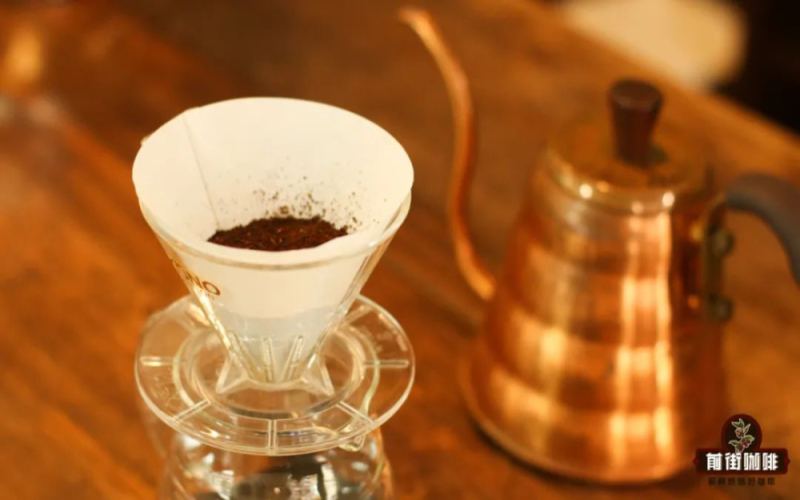
Should you pre-wet the filter paper before pour-over coffee? A comprehensive analysis of water absorption rate, fit to the dripper, and extraction effect
Before making pour-over coffee, is it really necessary to rinse the paper filter with hot water? This question has long been debated in the coffee community. Some insist that wetting the filter removes papery taste, helps the filter adhere better to the dripper, and preheats the dripper along the way; others believe that modern filter manufacturing has advanced so much that these reasons may no longer hold. This article, from Front Street Coffee's perspective, examines one by one whether the three traditional advantages of wetting the filter still stand, and takes a deeper look at how the water-absorbing properties of a dry filter affect coffee strength, as well as the pre-extraction issues that may arise when coffee grounds come into contact with water early. The final conclusion may surprise you—the difference between a wet and dry filter is actually negligible. [more…]
Do You Need to Rinse Pour-Over Coffee Filters First? A Full Guide to Buying Tips and Proper Use
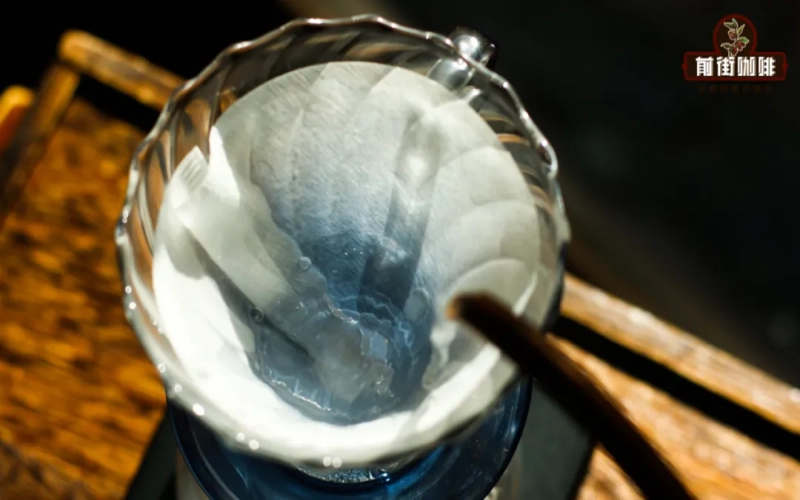
When brewing pour-over coffee, should you really pre-wet the paper filter? This is a confusion many people encounter when they first get into pour-over. Some insist that wetting the filter is essential, while others brew directly with a dry filter. Which approach is actually more reasonable? The answer isn't absolute—it needs to be judged from three dimensions: how well the filter fits the dripper, the odor of the filter itself, and the storage environment. In addition, when wetting the filter, whether to use cold or hot water also matters—the choice of water temperature directly affects how well odors are removed and how well the equipment is preheated. Faced with the dazzling array of filter products on the market, the differences in flow rate and filtration effectiveness brought by different materials and manufacturing processes are huge. How should beginners choose? Front Street Coffee, drawing on practical experience, sorts out these key questions about pour-over filters one by one to help you make more suitable choices in your daily brewing. [more…]
A Complete Analysis of the Flavor Differences and Pros and Cons of the Origami Dripper with Different Filter Papers
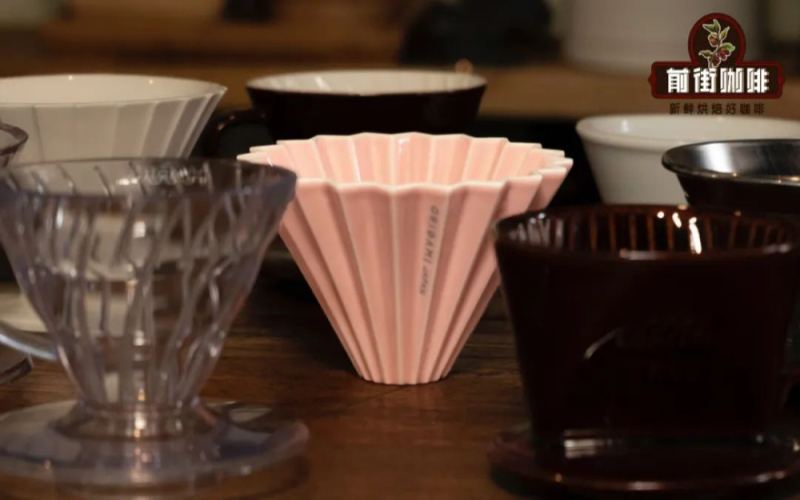
With its distinctive angular shape, the Origami dripper is highly recognizable among the many coffee drippers out there, and it can be seen in both coffee shops and world-class competitions. Designed by Yasuo Suzuki, this dripper's standout feature is that it can be paired with two different types of filter paper—conical and cake—and switching the paper directly affects the extraction rhythm and the final flavor direction. This article will start from the design origins of the dripper, combine a hands-on tasting with Geisha beans, compare the mouthfeel differences brought by the two types of filter paper, and objectively analyze the Origami dripper's strengths in terms of versatility as well as points to note when choosing a dripper stand. It also includes Front Street Coffee's store information, offering coffee enthusiasts a complete reference. [more…]
What is the Origami Dripper? How does it differ from the V60, and which filter paper should be used with it?
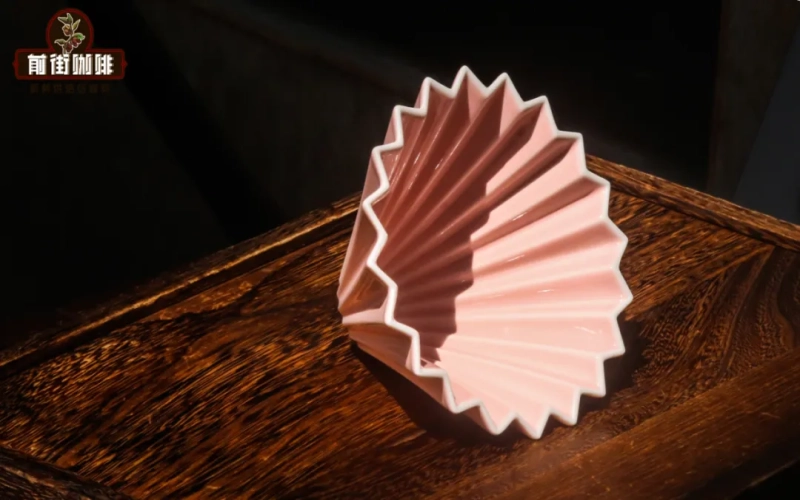
Among the many coffee drippers, one product stands out for its unique appearance and high compatibility: the Origami dripper, designed by Yasuo Suzuki, one of the founders of Japan's TRUNK COFFEE BAR. Its name comes from the Japanese word "折り紙," meaning origami. The most distinctive feature of this dripper is that it can be paired with either conical filters or cake filters, resulting in completely different extraction effects. So what are the characteristics of each of these two filter combinations? And what differences are there in the flavor and mouthfeel of the brewed coffee? In this article, Front Street will use the same Panama Boquete Geisha coffee beans for a comparative brew to help you find the filter pairing that suits you best. [more…]